Table of Content
Unfortunately, as strong as they are, our horses can be fragile creatures. The use of fans inside your stable is another great way to naturally repel the insects and help keep your stable midge-free. Midges can’t fly or land in strong breezes – anything over 5 mph is too much for them. It’s best to direct fans to the locations on your horse where midges tend to populate, such as around the neck and tail. Topically applied creams and lotions containing antihistamines or corticosteroids can be useful but become very expensive for continual use.
Self-trauma from scratching may cause hair loss, bleeding and thickening of the skin. Breathers can also provide relief over long periods including when symptoms are worst such as dawn and dusk. Any of the three Breathers is good depending on which best suits your management regime. Please note that Equine Breathing training is not a substitute for veterinary advuce, diagnosis or treatment. The immature stages of these flies live in water so, if possible, affected horses should be moved away from areas where there is mud, wet sand, ponds, streams or rivers nearby. Signs are seen during the warmer months when the flies are active.
How to Treat Sweet Itch in Horses | Vetericyn
This may include things like glue strips, insect zappers, and/or catch and release traps. Install any of these devices outside or inside your horse stable to help keep the midges away from your horse. You might try mixing adding apple cider vinegar to the horse’s feed, for instance. Also try feeding the horse two tablespoons of garlic powder twice a day. Gnats breed in marshy, shady ground with rotting vegetation.
We suggest you use a marine-based omega-3 fatty acid supplement that provides EPA and DHA, and that has been developed for horses. Horses will constantly rub affected areas as a response to the intense itching. In the acute phase the skin will become red and inflamed, and devoid of hair.
Shop Vetericyn
To use this remedy, simply allow the basil leaves to dry out thoroughly. Then crush them into a fine powder and rub it directly over your horse’s skin and coat to help soothe any itching that he may be experiencing. The condition is usually at its worst at the times of year when insects are most active, and it may subside during the winter.

“At this point in time, it is not recommended to place too much importance on Culicoides allergy skin testing,” she says. For face and ear masks, she cautions owners to keep them clean and dry, as wet, dirty fabric might promote secondary bacterial and fungal infections. I'm a young horsewoman living in a tiny home on a horse farm in South Africa with three dogs, two pigs, a longsuffering man, and God's grace. I run a stableyard and compete in dressage with two kind geldings who keep me happy and a psychotic mare who keeps me humble. For the past two years, I've been writing for a living, and I enjoy every opportunity to combine my two passions. They may prescribe oral medications that you can put into his feed, but most likely will also give him an injection of an immune suppressant and anti-inflammatory like cortisone.
Does Reining Hurt Horses? The Sad Truth
Eliminate manure and trampled hay as soon as you see it. Keeping your horse’s stable squeaky clean will prevent any biting fly from being attracted to the area. Still water can be a breeding ground for bugs, including midges and mosquitoes. Cortico-steroids have been shown to be extremely effective at suppressing the immune response that causes Sweet Itch. This relieves the itch and helps your horse’s lesions to heal.
Miller says she’s had limited success with topical sprays and recommends focusing on avoidance measures such as full-body fly sheets. While these sheets can help prevent bites, Marsella discourages using them in hot and humid climates. The horse might overheat, creating a warm, moist environment that’s an ideal breeding ground for bacteria. In cooler and drier climates, look for a breathable stretch fabric with neck and belly coverage. Many fly sheets come impregnated with insect repellent, and you can also spray them. But use the fly sheet before sweet itch takes hold; once itchy, the horse will scratch despite the sheet, even rubbing its fibers into his skin, says Marsella.
Having lived and ridden in England, Switzerland, and various parts of the United States, Natalie currently resides in Colorado with her husband and two girls. She recommends getting a head start on insect control each year, which in her area of New York is as early as April. Response to removing Culicoides from the horse’s environment.
The French Bulldog and the Corgi are both smart, social, and small-sized dogs with many personalities. They are two of the most popular dog breeds in recent years to develop hybrids. Cinder was immediately moved to a new barn where she was in a sand paddock instead of being on grass, enabling her to heal away from bugs.
“Sweet itch is a very difficult condition to treat,” says Hilary. Cinder’s body was suffering from an overload of bug infestation and had nothing on the inside to fight it. Once Anna provided the internal fuel and applied the proper external products, nature did the rest. The final step was a thorough top to bottom spraying with a natural fly spray. Again, read the ingredient list; if it’s a mile long with words you can’t pronounce, move on to another product. Regular systemic glucocorticoid use can also lead to decreased efficacy over time and increased infection risk due to these drugs’ immunosuppressive nature.
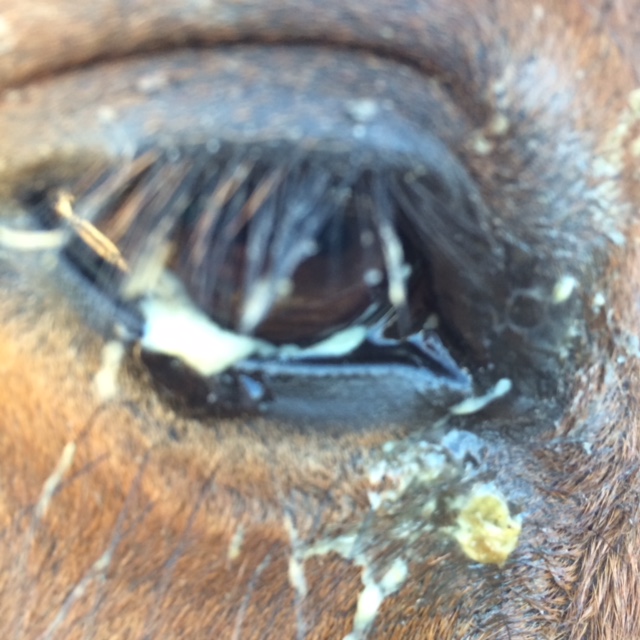
Sweet Itch can induce violent scratching responses in your animal, leading to painful lesions and wounds. If the Sweet Itch lesions have created an infection, antibiotics may be needed to treat the problem, and help quell the itch. Some research suggests that adding flaxseed to your horse’s diet can quiet the allergic response.


No comments:
Post a Comment