Table of Content
Anti-itch shampoos can be effective to help reduce itching – look for those which contain oatmeal, anti-histamines or local anaesthetics. Another option to offer short term relief is bathing with ice or cold water to cool the affected areas. When it comes to fly repellents, there are a huge number of different types, brands and applications available. A traditional spray or cream application is always a good option but you may also find repellent bands and tags helpful in controlling mosquitos and midges. Look for products with pyrethroid or permethrin-based ingredients as these are often the most effective. DEET is effective but can cause soreness in some horses and Avon Skin-so-Soft can also be an effective, less-chemical option but should not be used on hot, sunny days as it can cause sunburn.
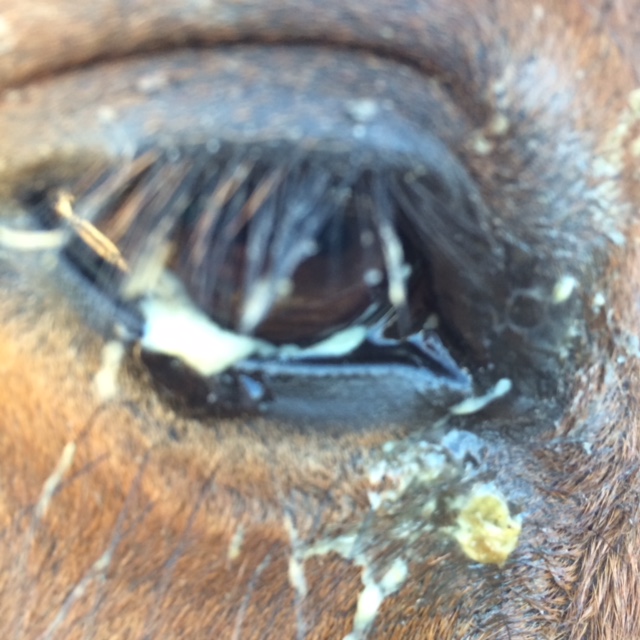
I would suggest having your vet check the horse to rule out things like pinworms and bacterial infection. If the tail rubbing is caused by insect hypersensitivity, the best way to stop it is by limiting exposure to the insects, as outlined in the article. Supplementing with omega-3 fatty acids will also help mitigate the skin reaction and calm the itching.
These Home Remedies For Jock Itch Might Worsen Symptoms
Some horse owners have found that Equine Breathing training helps their horse recover from sweet itch and helps the horse cope with the symptoms. Equine Breathing training works to improve the horse's physiology and this may be why the horse becomes less susceptible to sweet itch. The National Research Council states that feeding 7.5 grams per day of garlic powder should not lead to problems in normal circumstances. However, many vets feel the toxic effects of n-propyl disulfide may become a problem in horses that are fed these low doses on a regular basis. The resulting anemia may not be readily noticeable, but the horse can suffer from reduced stamina, lower energy levels, and a decreased resistance to disease. Be careful with preparations that contain eucalyptus oil, citronella oil, tea tree oil, or mineral oil, as they may cause additional skin irritation.
Sweet itch is caused by an allergic reaction, most likely to the bite of the Culicoides midge. It’s especially tough to stop sweet itch because midge bites are relentless. And there’s a reason sweet itch is often referred to as a seasonal allergy. Culicoides are most active during summertime, when your horse is likely running around the most.
Step #1: Start With Medicated Shampoo
Some scientists are looking at a preventive vaccine, she says, which would be particularly helpful for horses shipping from cooler to warmer climates to prevent hypersensitivity from developing. She says work is also underway to develop a vaccine to address Type 4 hypersensitivity. Research has also shown serum allergy testing to be inaccurate. Thankfully, owners of Type 1 horses with multiple allergies have options. “We can design a custom-made vaccine that desensitizes with allergen-specific immunotherapy,” says Marsella. Any horse owner that’s acquainted with sweet itch will be well aware of how irritating and uncomfortable this disease can be for our equine friends.
Meg also regained her natural happy and friendly disposition much to owner Debbie's relief. After 6 months of Equine Breathing, Meg's coat was healthy with no itching or sores. Horses seem to gain significant relief from sweet itch symptoms quite quickly on starting Equine Breathing, but full recovery may take months or even years.
Health
While many product manufacturers advertise long-term coverage, you typically must apply the 1% spray products up to twice daily, says Marsella. Stay up-to-date on the latest news about your horse's health with FREE newsletters from TheHorse.com. Using fly repellents, full-coverage fly rugs and face masks can all help too. They will also have the best advice on management and symptomatic relief. Keep your horse cool and composed in those hot summer months and all year round with Vetericyn. One might think that the best way to treat this is doctoring the affected areas, but that method only treats the symptoms and not the root cause.
It’s not the bite wound itself; it’s the biting midge’s saliva. Just like how not everyone is allergic to peanuts, not all horses are sensitive to midge saliva. But when they are sensitive, it causes excess histamine to be released in your horse’s bloodstream. You might also be able to help prevent sweet itch by feeding your horse certain foods.
A vet prescribed short-term antibiotics as some of the sores appeared to be infected. Freelance journalist Natalie DeFee Mendik is a multiple American Horse Publications editorial and graphics awards winner specializing in equestrian media. With over three decades of horse experience, Natalie’s main equine interests are dressage and vaulting.

It is important to keep rugs, blankets, and hoods clean and free of midges. The use of steroids can make horses more susceptible to Laminitis. You can double your efforts by using a natural insecticide shampoo. Grooming your horse regularly is a good way to keep a close eye on his skin so you can recognise any changes and take appropriate action quickly. Every purchase helps us improve the lives of horses in the UK and around the world, so thank you for your continued support giving vulnerable horses a brighter future.
Add a bit of crushed or milled flaxseed to your horse’s food. The intense itchiness can cause him to rub away patches of hair, leaving the skin underneath raw and weepy. If a case is severe enough, the horse may become restless and thin, as he spends more time scratching than eating.
Once this dried, she applied a natural topical solution specifically created to stop itches and heal the skin. Over this, an itch relief salve was applied for double coverage and to create a barrier against the midges. Key ingredients to look for to relieve itching include Chamomile, Chickweed, Calendula, and Aloe Vera. Miller adds that research in dogs has shown omega-3 and -6 fatty acids to be anti-inflammatory, but in horses this effect is only anecdotal. It’s best to start with the more natural options like lotions and fly sheets, but if your horse’s reaction is particularly severe, more desperate measures will have to be taken.
Miller says she’s had limited success with topical sprays and recommends focusing on avoidance measures such as full-body fly sheets. While these sheets can help prevent bites, Marsella discourages using them in hot and humid climates. The horse might overheat, creating a warm, moist environment that’s an ideal breeding ground for bacteria. In cooler and drier climates, look for a breathable stretch fabric with neck and belly coverage. Many fly sheets come impregnated with insect repellent, and you can also spray them. But use the fly sheet before sweet itch takes hold; once itchy, the horse will scratch despite the sheet, even rubbing its fibers into his skin, says Marsella.
Thanks to all authors for creating a page that has been read 38,118 times. This article was co-authored by Ryan Corrigan, LVT, VTS-EVN. Ryan Corrigan is a Licensed Veterinary Technician in California. She received her Bachelor of Science in Veterinary Technology from Purdue University in 2010. She is also a Member of the Academy of Equine Veterinary Nursing Technicians since 2011. Discuss this option with your veterinarian to determine the proper dose for your animal. You should discuss this with your veterinarian or herbalist before beginning supplementation.
Once a horse becomes accustomed to the new taste they will eat Contribute with no problem. One gallon of Contribute is a 128-supply at 1 ounce per day. You can feed up to 2 ounces per day, in which case you would feed 1 ounce per feeding.


No comments:
Post a Comment